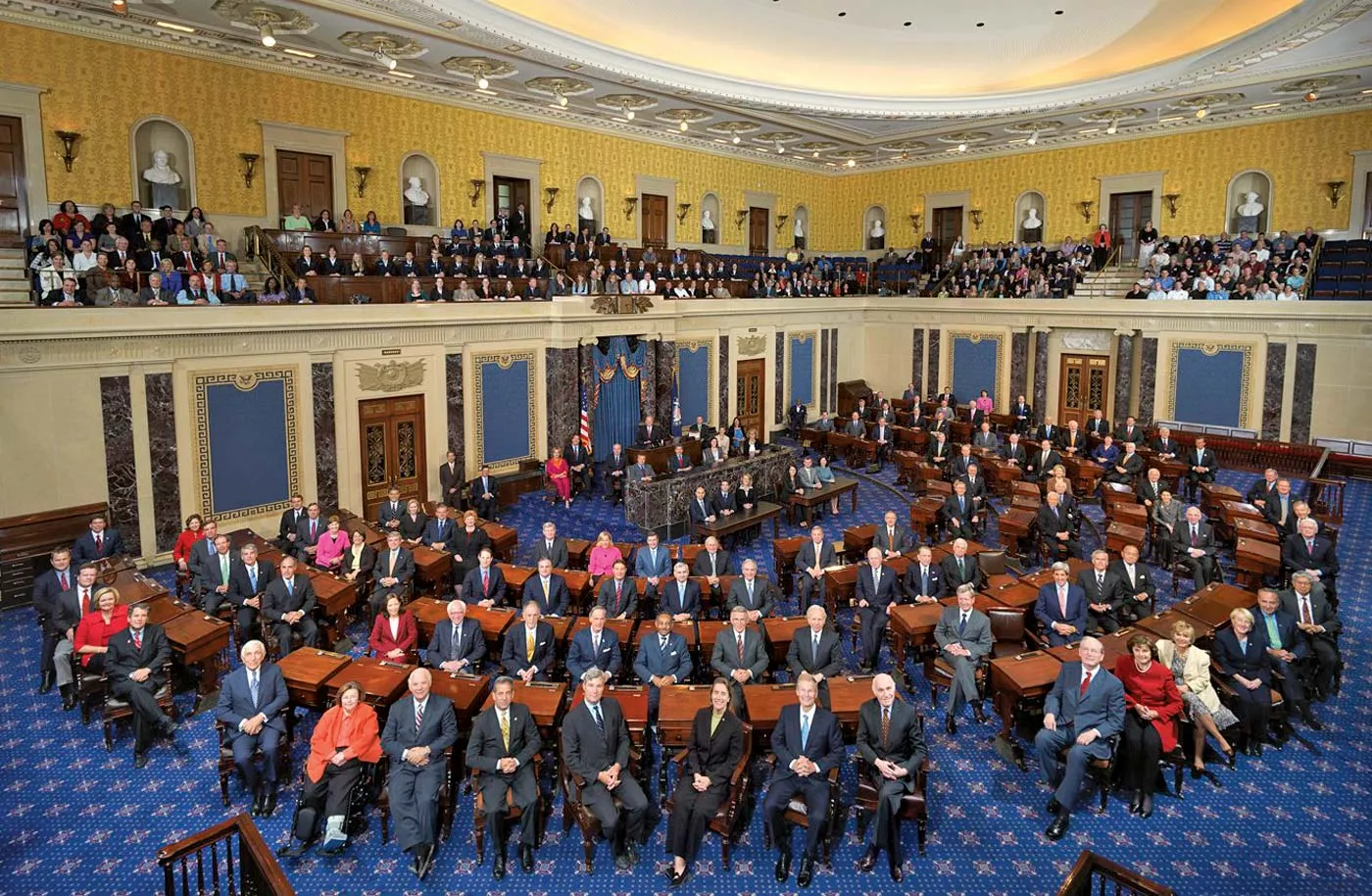
The US Senate has voted in favour of a measure urging President Donald Trump to either end ongoing military operations involving Iran or seek formal approval from Congress before pursuing further action.
The proposal, backed by Democrats and a small number of Republican lawmakers, passed the Senate in a 50-48 vote on Tuesday. Earlier this month, the House of Representatives also approved a similar measure.
Despite securing support in both chambers, the resolution is largely symbolic and will not become law. Unlike binding legislation, the measure will not be presented to President Trump for signing and carries no legal requirement for the administration to change its military policy.
The vote nevertheless highlights growing concern within Congress over the prolonged conflict and reflects increasing pressure on the White House as the war nears its fifth month.
President Trump dismissed the Senate’s action, describing it as ineffective and poorly timed. In remarks posted on his Truth Social platform, he argued that lawmakers had complicated ongoing efforts at a critical stage of the conflict.
The development marks a rare congressional rebuke of a sitting president’s military engagement. Analysts note that it is the first time since the enactment of the War Powers Resolution in 1973 that both the House and Senate have approved a concurrent resolution calling for the end of a military operation.
Political observers say the measure carries more political than legal significance, serving as an indication of public and legislative unease over the conflict, particularly amid concerns about its economic impact, including rising fuel prices.
Supporters of the resolution argue it reinforces Congress’ constitutional role in matters of war and military intervention, while critics maintain that recent ceasefire efforts have already reduced the need for further legislative action.
The White House has maintained that hostilities have significantly eased following a ceasefire agreement reached on April 7 and has questioned the practical relevance of the resolution under the current circumstances.
The administration also noted that the outcome may have been different had two Republican senators who were absent during the vote participated in the proceedings.