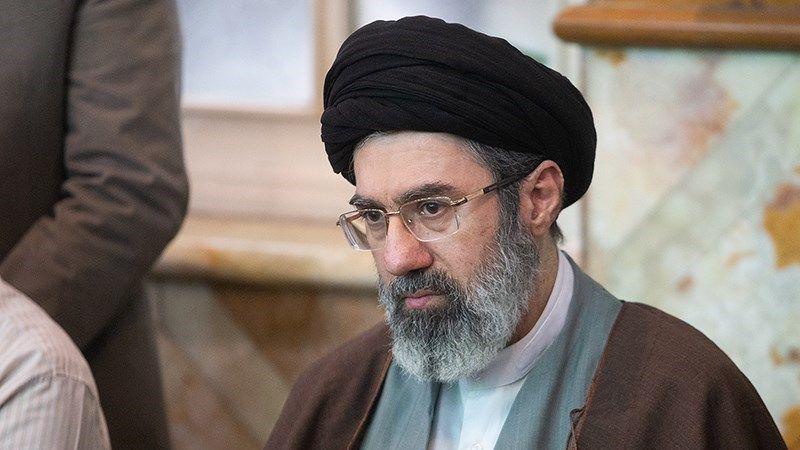
Iran has ushered in a new chapter of leadership with the appointment of Mojtaba Khamenei as the country’s Supreme Leader following the death of his father, Ali Khamenei.
At 56, Mojtaba Khamenei steps into the role after years of operating largely out of the public eye. Although he held no formal government position during his father’s rule, he was widely believed to wield considerable influence within Iran’s political and security circles.
His perceived closeness to conservative factions, particularly the powerful Islamic Revolutionary Guard Corps, has reinforced expectations that the country’s leadership style will remain firmly aligned with the hardline policies associated with his father’s era.
Shortly after the announcement, key state institutions quickly signaled their support. Endorsements came from the military leadership, the judiciary and President Masoud Pezeshkian, indicating a swift consolidation of authority around the new leader.
Mojtaba Khamenei’s appointment was confirmed by the Assembly of Experts, the powerful clerical council responsible for selecting and supervising the country’s Supreme Leader. The announcement was issued shortly after midnight on Monday.
For years, his reserved public profile and limited appearances at official events fueled speculation among Iranians and international observers about the extent of his behind-the-scenes role in shaping decisions at the highest levels of power. His elevation to the country’s top religious and political office now formalizes that influence while signalling continuity in Iran’s leadership direction.