The government is reimagining education with a bold promise: nurturing talent will carry the same weight as academic excellence. This shift lies at the heart of the Competence-Based Education and Training (CBET) system, which will fully take effect in 2026.
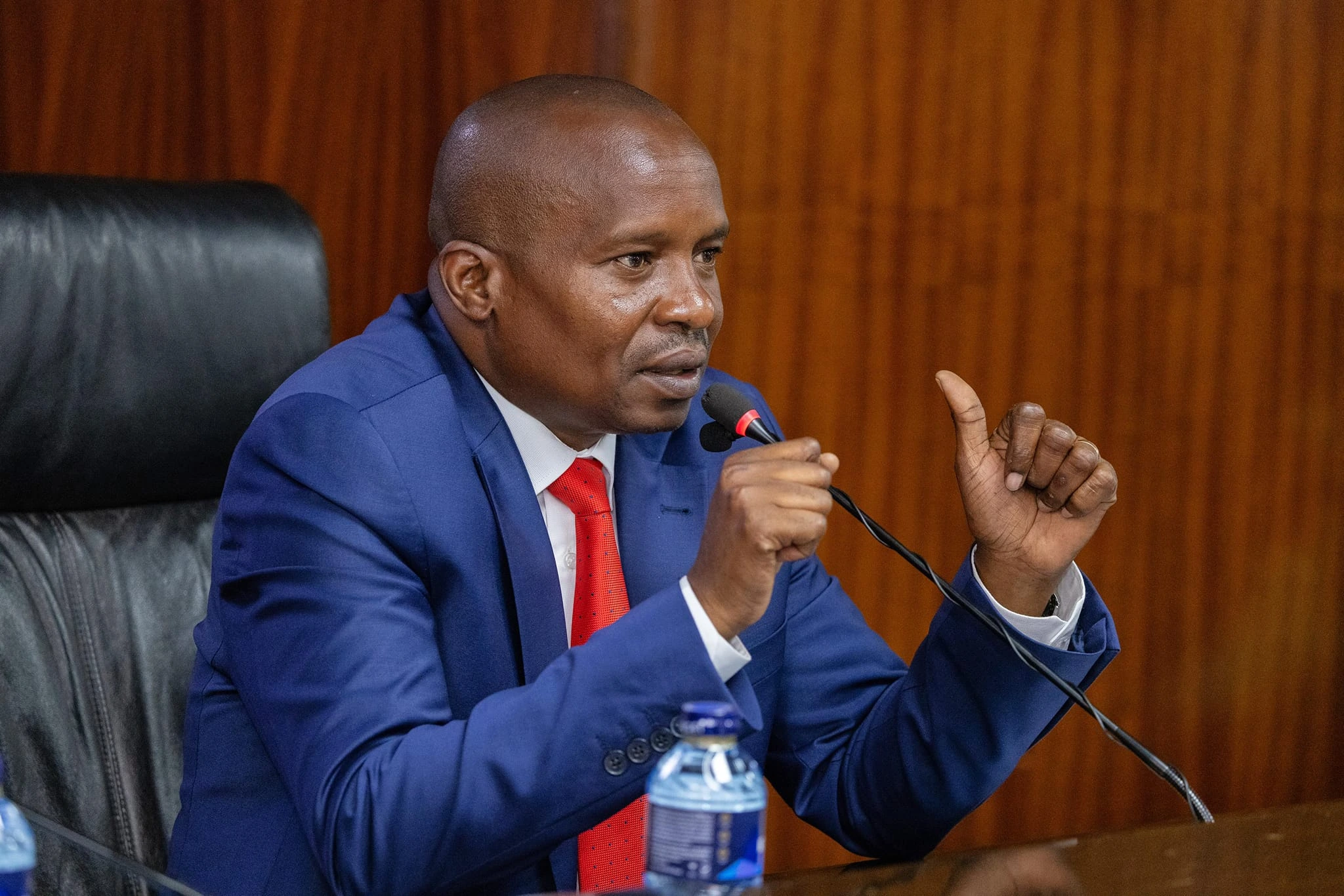
Deputy President Kithure Kindiki, speaking in Irunduni, Tharaka Nithi County, announced that Senior School learners will, for the first time, chart their future through three distinct pathways: Science, Technology, Engineering and Mathematics (STEM), Social Sciences, and the newly elevated Sports, Arts and Creatives.
“The Arts and Sports Science pathway will integrate sports, the arts, and creative studies,” Kindiki said, framing it as a deliberate move to recognise talent as a pillar of national development rather than a side pursuit.
Unlike critics who called for scrapping the Competency-Based Curriculum (CBC), the government chose refinement over abolition. The DP argued that CBET represents a matured version of CBC one that blends training with education, academic rigour with creativity, and skill with opportunity.
To back the reforms, Nairobi is sinking billions into infrastructure that matches this vision. Nyayo Stadium and Kasarani have already been upgraded to international standards, hosting the 2024 Africa Nations Championship (CHAN). At the heart of this push is the Talanta Sports City, a Ksh 45 billion, 60,000-seater complex under construction in Nairobi. Slated for completion in January 2026, it will be the crown jewel as Kenya prepares to co-host the 2027 Africa Cup of Nations (AFCON).
Beyond flagship projects, stadiums are sprouting across counties from Kakamega to Kwale. Sports academies are also being rolled out nationwide, with 38 of the planned 290 already under construction. The Kenya Academy of Sports is being restructured to broaden its scope into arts and creative disciplines, anchoring the new education pathway.
For Kindiki, the deeper reform is cultural: shifting how Kenyans value ability. “We have concentrated much on academics and condemned those who are not good at it, yet they are excellent in sports and the creative industry,” he said. In his view, recognising diversity of talent is long overdue.
He pointed to the global stage, where athletes, artists, and creatives are not just celebrated but also among the wealthiest and most influential figures. Kenya, he argued, cannot afford to keep sidelining its youth who thrive outside textbooks.
“Sports are no longer just an extra-curricular activity,” Kindiki declared. “They are central to our education system, our economy, and our national pride.”